You’ve probably heard the term before, maybe in a news story about a celebrity recovery or a dramatic rescue of a deep-sea diver. But Hyperbaric Oxygen Therapy (HBOT) is more than just a plot point in a movie; it’s a fascinating and increasingly studied medical treatment that’s helping people heal in remarkable ways.
So, what exactly is it, how does it work, and is it right for you? Let’s dive in (pun intended!).
What is Hyperbaric Oxygen Therapy?
In the simplest terms, Hyperbaric Oxygen Therapy involves breathing pure oxygen in a pressurized environment.
Let’s break that down:
- Hyperbaric means “increased pressure.”
- Oxygen Therapy means… well, oxygen therapy.
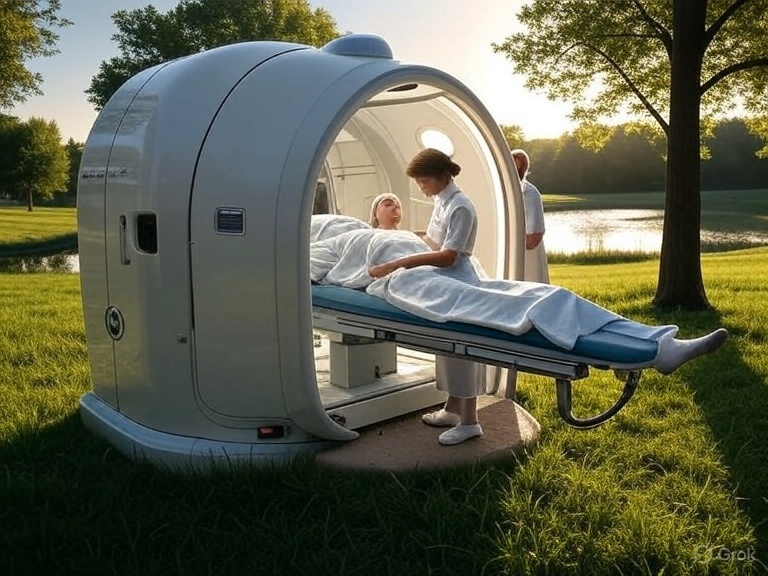
Typically, this takes place inside a clear acrylic tube or a larger, room-sized chamber. The air pressure inside is increased to 1.5 to 3 times higher than normal atmospheric pressure. Under these conditions, your lungs can gather significantly more oxygen than would be possible by breathing pure oxygen at normal air pressure.
How Does it Actually Work? The Science Made Simple
We all know oxygen is essential for life. But under pressure, oxygen does some pretty incredible things:
- Supercharged Blood Plasma: Normally, oxygen is carried throughout your body by red blood cells. Under pressure, oxygen dissolves directly into your blood plasma—the liquid part of your blood. This creates a massive, temporary surge of life-giving oxygen to every part of your body, from your brain to your toes.
- Fueling Your Healing Engine: Your body’s natural repair mechanisms need oxygen to function. Areas of injury or inflammation are often starved of oxygen (a condition called hypoxia). HBOT floods these damaged tissues with a surplus of oxygen, which:
- Reduces Swelling and Inflammation: Oxygen helps constrict blood vessels and reduces fluid buildup.
- Stimulates New Blood Vessel Growth (Angiogenesis): The oxygen-rich environment signals the body to create new, healthy blood vessels, improving long-term blood flow to damaged areas.
- Fights Certain Infections: HBOT enhances the ability of your white blood cells to find and destroy bacteria. It can also make some antibiotics more effective.
- Promotes Collagen and Skin Graft Growth: It encourages the formation of new connective tissue and skin cells, crucial for wound healing.
What is HBOT Used For? Beyond the “Bends”
While its most famous use is treating decompression sickness (“the bends”) in divers, the list of FDA-approved uses for HBOT has grown. It is commonly used for:
- Non-Healing Wounds: This is a major application, particularly for diabetic foot ulcers. By restoring oxygen to the wound, HBOT can prevent amputations and promote healing.
- Carbon Monoxide Poisoning and Smoke Inhalation: HBOT quickly forces carbon monoxide out of the blood and replaces it with life-saving oxygen.
- Radiation Injury: Patients who have undergone radiation therapy for cancer can sometimes suffer from tissue damage (e.g., osteoradionecrosis). HBOT helps heal these radiation-induced injuries.
- Severe Anemia: For patients who can’t receive blood transfusions, HBOT can be a lifesaving stopgap by oxygenating the tissues directly.
- Crush Injuries and Compartment Syndrome: The therapy reduces swelling and oxygenates muscle tissue at risk of dying.
- Gas Gangrene and Flesh-Eating Disease: The high oxygen levels are toxic to the bacteria that cause these devastating infections.
- Sudden Sensorineural Hearing Loss: When treated quickly, HBOT can improve outcomes for this mysterious and sudden condition.
The Emerging Frontier: Off-Label Uses
This is where things get really interesting. Research is ongoing into HBOT’s potential benefits for a host of other conditions, including:
- Traumatic Brain Injury (TBI) and Post-Concussion Syndrome
- Stroke Recovery
- Long COVID symptoms (like brain fog and fatigue)
- Lyme Disease
- Autism Spectrum Disorder
- Anti-Aging and Cognitive Enhancement
It’s crucial to note that while the anecdotal evidence for some of these is compelling, more rigorous, large-scale clinical studies are needed. Always consult with a medical professional before pursuing HBOT for an off-label condition.
What to Expect During a Treatment
If you undergo HBOT, you’ll lie down in the chamber. A technician will gradually increase the pressure—you’ll feel it in your ears, similar to the sensation during airplane ascent or descent. You simply yawn or swallow to “pop” them. Once at the prescribed pressure, you’ll relax, breathe normally, and can even watch a movie or nap. A session typically lasts 60 to 90 minutes.
The Risks and Considerations
HBOT is generally very safe when administered by trained professionals. However, like any medical treatment, it has risks, including:
- Barotrauma: Pressure injury to the ears or sinuses (the most common side effect).
- Temporary nearsightedness (myopia): Caused by the oxygen’s effect on the lens of the eye, which usually resolves after treatment ends.
- Oxygen Toxicity: In rare cases, too much oxygen can cause seizures or lung issues.
It is not for everyone. People with certain types of lung diseases, untreated fevers, or who have recently had ear surgery may not be candidates.
The Bottom Line
Hyperbaric Oxygen Therapy is a powerful, evidence-based tool for accelerating healing in some of medicine’s most challenging cases. It’s not a magic cure-all, but a serious medical treatment that leverages the fundamental power of oxygen under pressure.
If you think you or a loved one might benefit from HBOT, the first step is a conversation with your doctor. They can help you determine if it’s an appropriate option and refer you to an accredited hyperbaric medicine unit.
Have you or someone you know had experience with HBOT? Share your thoughts in the comments below!
Disclaimer: This blog is for informational purposes only and does not constitute medical advice. Always seek the advice of your physician or other qualified health provider with any questions you may have regarding a medical condition.
Leave a Reply
You must be logged in to post a comment.