Tapioca Starch: A Complete Guide
What is Tapioca Starch?
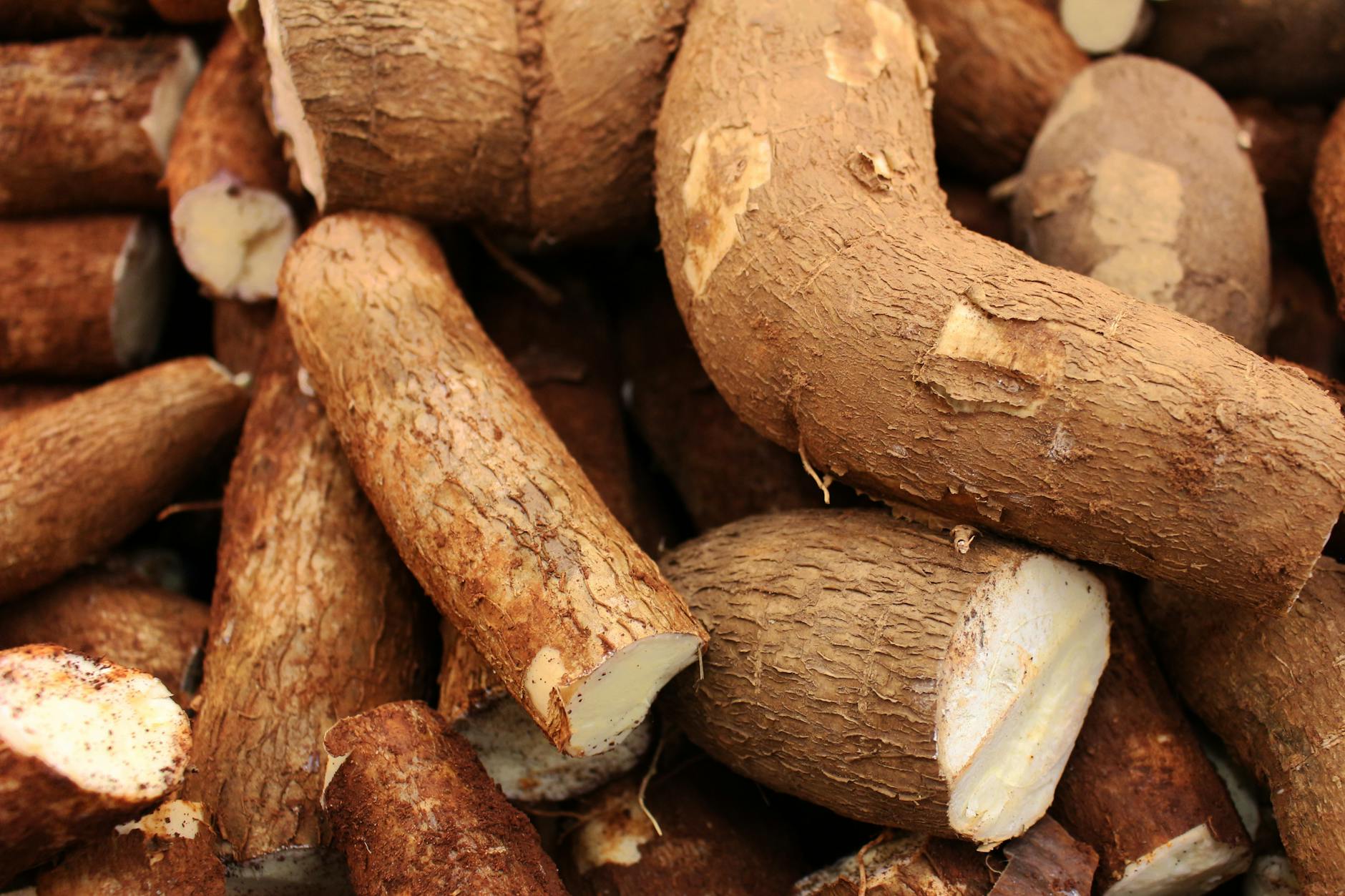
Tapioca starch (also commonly called tapioca flour) is a pure, refined carbohydrate extracted from the storage roots of the cassava plant (Manihot esculenta). It is a gluten-free, grain-free, and neutral-flavored white powder used primarily as a thickening agent and binder in cooking and baking.
· Source: Cassava root.
· Appearance: A fine, bright white, powdery starch.
· Flavor: Neutral and odorless. It does not impart any flavor to food.
· Key Property: Creates a clear, glossy gel when cooked and provides a soft, chewy texture.
Culinary Uses & Applications
Tapioca starch is prized for its specific functional properties.
Use Case How It Works & Examples
Thickening Ideal for fruit pies, puddings, soups, and sauces. It thickens at a lower temperature than cornstarch or flour and has a high clarity, making fruit pie fillings look glossy and vibrant. It doesn’t become cloudy.
Binding & Gluten-Free Baking Essential in gluten-free flour blends. It provides structure and the desirable chewy texture often missing in GF baked goods. It helps bind ingredients in veggie burgers or nuggets.
Texture Creation Used in bubble tea (boba pearls), mochi, and various Asian desserts. Its ability to form a stretchy, gummy, and chewy texture is its signature characteristic.
Crispy Coatings Excellent for frying. It creates a very crisp and light crust on fried foods, as it doesn’t absorb as much oil as wheat flour.
Freezing & Thawing Sauces thickened with tapioca starch freeze and thaw exceptionally well without breaking down or becoming watery, unlike some other starches.
How to Use Tapioca Starch as a Thickener
Tapioca starch has a stronger thickening power than wheat flour. A general substitution guideline is:
· For Cornstarch: Use 1 tablespoon of tapioca starch for every 1 tablespoon of cornstarch.
· For All-Purpose Flour: Use 1 tablespoon of tapioca starch for every 2 tablespoons of flour.
Important: Tapioca starch should not be added directly to hot liquids, as it will immediately clump.
- Make a “Slurry”: Always mix the tapioca starch with a cool liquid (like water, stock, or fruit juice) first to form a smooth paste.
- Add to Hot Liquid: While stirring the hot liquid constantly, slowly drizzle in the slurry.
- Cook Briefly: Bring the mixture to a brief boil for about 1 minute to activate the thickening power and eliminate any raw starch taste. Over-boiling can cause it to become stringy.
Properties & Characteristics
| Property | Description | Advantage/Disadvantage |
|---|---|---|
| Clarity | Creates clear, glossy gels. | Pro: Perfect for glossy fruit pies and clear sauces. |
| Texture | Provides a soft, slightly chewy, and sometimes stretchy texture. | Pro: Great for mochi and boba. Con: Can be undesirable in some sauces where a smooth, non-gummy texture is preferred. |
| Flavor | Completely neutral. | Pro: Does not alter the taste of delicate dishes. |
| Freeze/Thaw | Very stable. | Pro: Sauces can be frozen and reheated without breaking. |
| Heat Stability | Can become stringy or lose thickening power if overcooked. | Con: Requires careful cooking; not ideal for long-simmering dishes. |
Substitutions & Comparisons
Starch Best For How to Substitute for Tapioca
Cornstarch Opaque sauces, gravies, stir-fries. 1 : 1 by volume. Note: Cornstarch creates an opaque gel and can’t be frozen well.
Arrowroot Powder Clear glazes, fruit sauces, last-minute thickening. 1 : 1 by volume. Arrowroot has a very similar clarity and is a good all-around substitute.
Potato Starch Gluten-free baking, thickening soups. 1 : 1 by volume. Avoid high heat or prolonged boiling.
All-Purpose Flour Gravies, roux-based sauces. Use 2x the amount (e.g., 2 tbsp flour for 1 tbsp tapioca starch). Sauce will be opaque.
Kudzu (Kuzu) High-quality clear jellies, medicinal foods. 1 : 1 by volume. It is very powerful and expensive.
Storage and Shelf Life
· Storage: Keep in a cool, dry, and dark place in an airtight container.
· Shelf Life: It has an indefinite shelf life if kept dry and free from pests. For best results, use within a year as it can slowly lose its potency over a very long time.
Note: Tapioca starch should not be confused with cassava flour, which is made from the whole, dried cassava root and has different properties (it’s more fibrous and behaves more like all-purpose flour).
Leave a Reply
You must be logged in to post a comment.